The Heart of the Lowline
Bradford Park
At the southern end of Phase 1, where the corridor opens up, Bradford Park anchors the Lowline as its central gathering space: open lawn, shade, and room for a whole neighborhood to show up at once. It's the first place along the corridor built specifically for people to gather, not just pass through.
The Speedwell Opportunity
Matching Grant Challenge
The Speedwell Foundation has committed $2.5M to match the first $2.5M raised by Friends of the Lowline, unlocking a total of $5M for the project. To date, Friends has raised $900,000, and Speedwell has released an initial $1M in good faith.
A gift to Friends of the Lowline goes toward closing the pathway funding gap and triggers a dollar-for-dollar Speedwell match directed to Bradford Park. One contribution does two things: it helps bring the Lowline to life and unlocks the funds to complete Phase 1 of Bradford Park. Matched funds are activated upon receipt of the donor's contribution.
$2.5M
Speedwell Commitment
dollar-for-dollar match
$5M
Total unlocked when match is fully met
$1.6M
Match remaining, available now
1943-2024
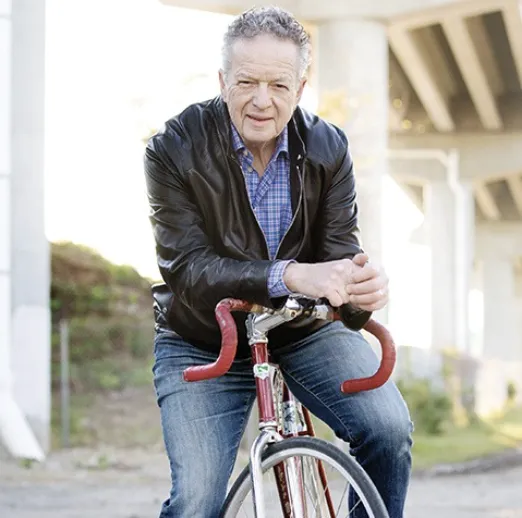
Bradford Park is named for Tom Bradford, the founding board chair of Friends of the Lowline, who first imagined what this corridor could become.
Tom passed away in October 2024, before ground was broken on the project he spent a decade building. This letter below was written as part of the Lowline's Conceptual Master Plan and captures the vision that started it all.
A word from Tom Bradford
Dear Friends of the Lowline
Around ten years ago, when a couple of us bumped over the former railroad crossing at Mount Pleasant
Street and looked south down the abandoned, weed-choked Norfolk-Southern right-of-way, it was
difficult to picture the Lowline.
Some had suggested that the location, the convergence of King and Meeting Streets with Morrison
Drive, might one day be the new gateway to Charleston. The defunct rail line could play an important
role in this vision but the challenge seemed monumental.
With me that day was Mike Messner, an ardent advocate for parks and public greenspace. Mike became
the driving force behind the Lowline. I barely knew him at the time, but over the course of our work
together we’ve become good friends and partners.
First, there was the multi-year challenge of striking a deal with the railroad for the corridor. The initial
price tag was over $27 million. Mike waded right into the fight and over time, the entire Lowline team
came together.
As we publish this Conceptual Master Plan, we can see the Lowline coming to life before our very eyes.
When we began working on it we could barely glimpse how many ways it could benefit Charleston.
In addition to providing a safe, desirable place to walk, run or ride a bike, the Lowline will re-knit
neighborhoods severed by I-26. It will help with Charleston’s stormwater and tidal problems. It will be a
venue for community art, for outdoor performances and concerts, for meeting people. The Lowline will
in essence be Charleston’s high road – an inclusive place that brings diverse people together, north,
south, east and west.
We are thrilled to release this Conceptual Master Plan, which represents the dedication and work of the
entire Lowline team (our nonprofit as well as that of Mayor Tecklenburg and City of Charleston staff).
The collaborative effort is a point of pride for me and for all of us on the Lowline team.
And very soon, the Lowcountry Lowline will be a big point of pride for all of Charleston.
Very truly yours,
Tom Bradford
Chairman of the Board
NAME A PIECE OF THE LOWLINE
Put Your Name on Something Charleston Will Use for Generations
Some gifts are best measured by what they make possible. Others are best measured by what you can point to, years from now, and say, that's mine.
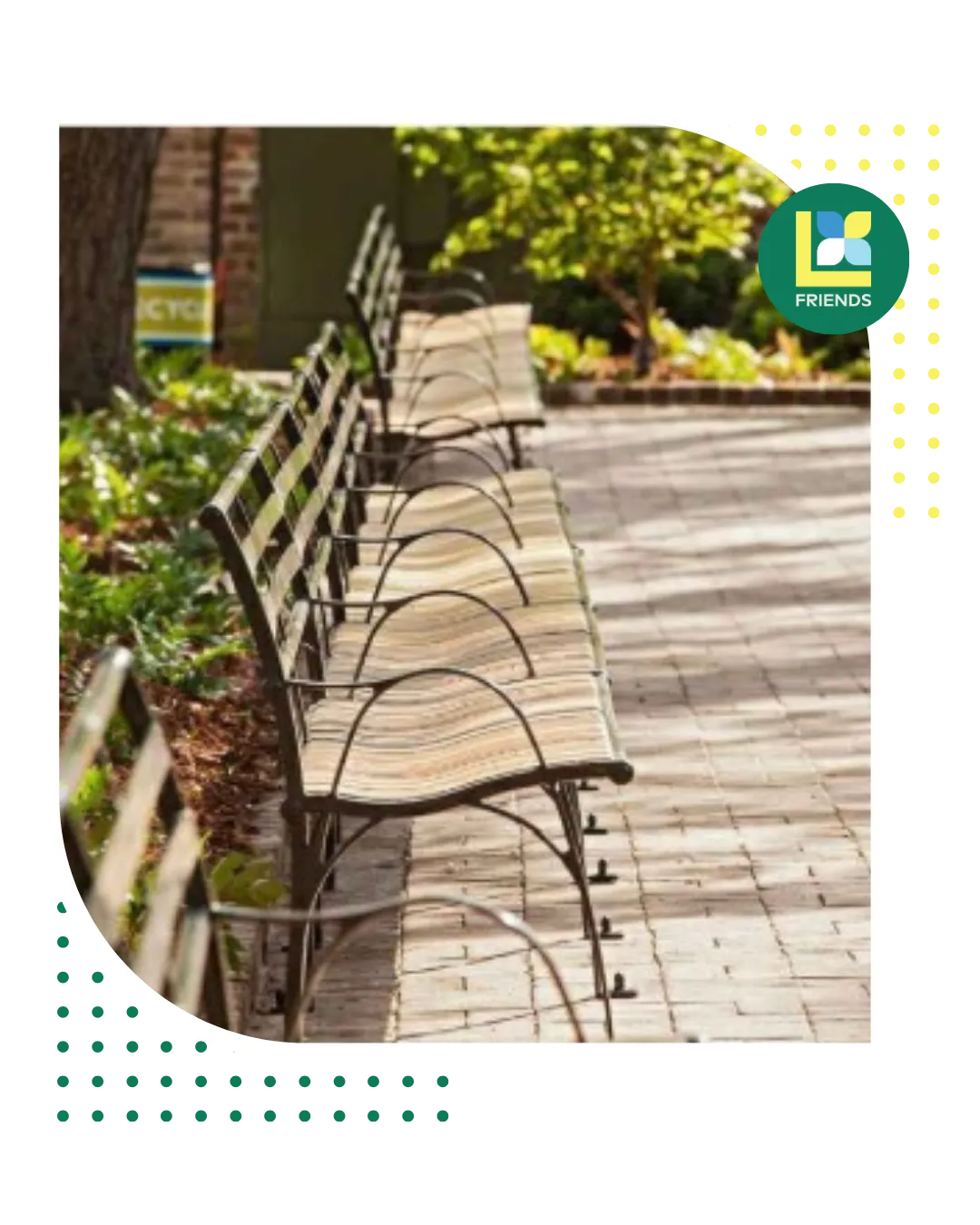
Bench Dedication: $10,000 for a 10-year dedication with the Lowline. A visible way to be part of the corridor every time someone sits down.
Your Gift Is Doubled
The Speedwell Foundation matches every dollar until the $1.6M remaining match is met.

The City of Charleston owns and operates the Lowline. The Friends of the Lowline is a 501(c)(3) nonprofit that exists to support the City in its efforts, serving as its nonprofit partner to help ensure the creation and long-term success of the Lowline.
Let’s Be Friends


Copyright © 2026. Friends of the Lowline. All rights reserved.